
The Best Fluffy Pancakes recipe you will fall in love with. Full of tips and tricks to help you make the best pancakes.
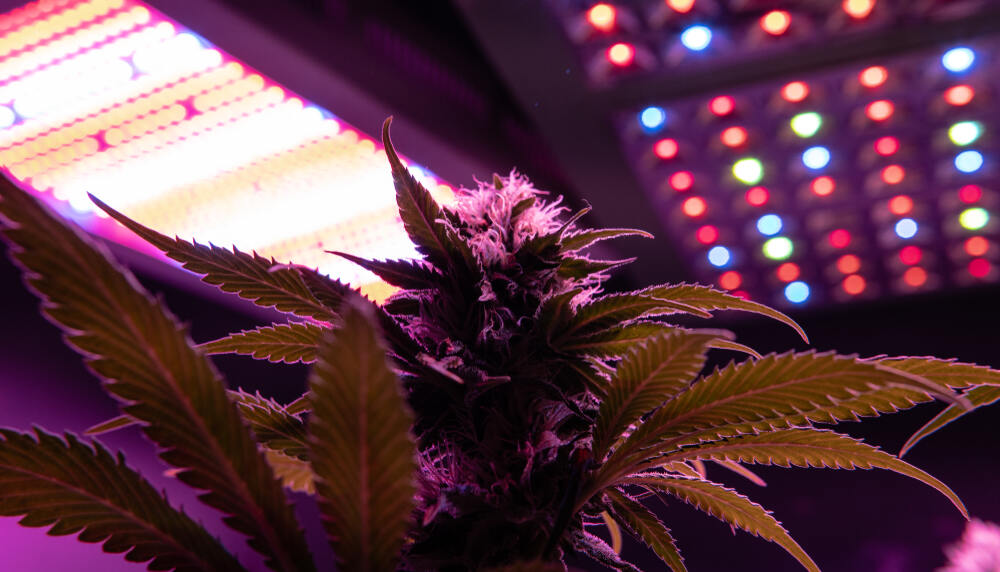
What Are the Different Types of Cannabis Grow Lights?

Growing cannabis indoors gives you full control over your environment, but that means you’ll need to handle everything from humidity to lighting. When it comes to lights, the type of grow lights you use plays a massive role in how your plants grow. Different lights offer different benefits, so it’s all about picking the right one for your marijuana grow room setup. Let’s break down the various types of cannabis grow lights and help you figure out which ones will help you get the best weed and highest yields.
Introduction to Cannabis Grow Lights
When you’re growing weed indoors, grow lights replace natural sunlight. But not all lights are created equal—different types of grow lights affect the growth, yields, and quality of your marijuana in unique ways. Choosing the right lights is one of the most important decisions you’ll make when setting up your indoor weed cultivation space.
Importance of Grow Lights for Indoor Cannabis Cultivation
If you’re growing indoors, your plants don’t have access to the sun, which is where grow lights come into play. They mimic the sun’s rays, ensuring your plants get the right type of light to thrive. Without proper lighting, your plants won’t be able to photosynthesize effectively, which means they won’t grow the way you want them to.
How Light Affects Cannabis Growth
Cannabis goes through different growth stages: vegetative and flowering. Each stage requires a specific light spectrum. Blue light helps plants grow big and bushy during the vegetative stage, while red light encourages dense buds during flowering. Using the wrong light spectrum can stunt your plant’s growth or lead to poor yields.
Factors to Consider When Choosing Grow Lights
Before grabbing the first light you see, you need to consider a few things:
- Your budget: Some lights are cheap upfront but costly to run.
- The size of your grow space: Different lights provide different coverage areas.
- Heat output: Some lights produce a lot of heat, which can impact your plants.
- Energy efficiency: Lights that use less electricity can save you money in the long run.
Fluorescent Grow Lights
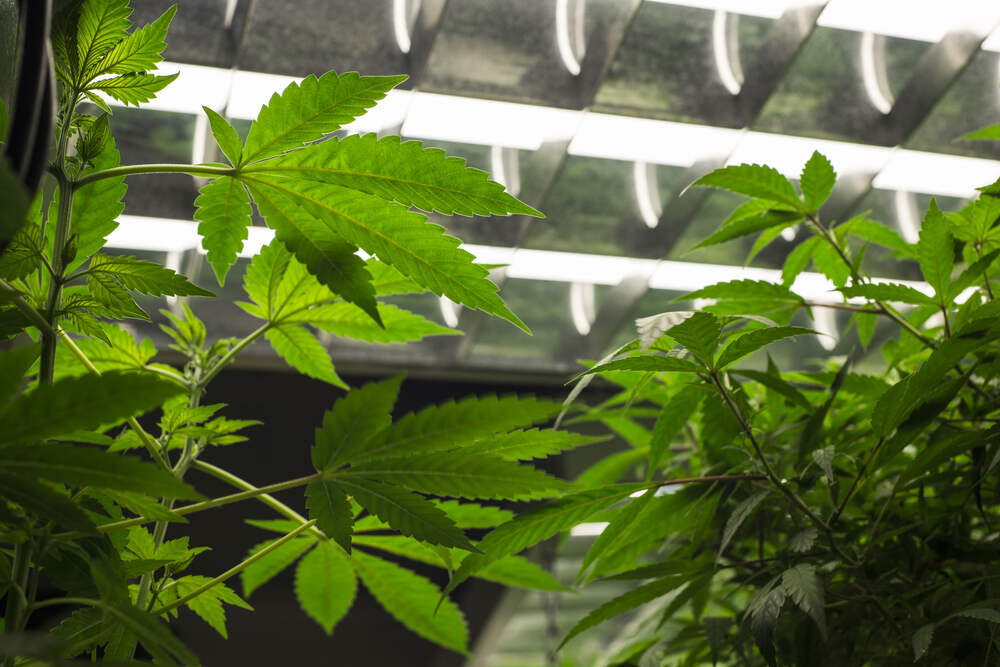
Fluorescent lights are like the easygoing, budget-friendly option in the grow light world. They’re affordable, energy-efficient, and perfect for smaller grow spaces or new growers.
What Are Fluorescent Grow Lights?
Fluorescent grow lights are tubes or compact bulbs that emit light using a low-wattage setup. They’re often used by beginner growers because they’re easy to handle and don’t get super hot, so you won’t burn your plants by accident.
Types of Fluorescent Lights: CFL vs. T5
Fluorescent lights come in two main types: CFL (Compact Fluorescent Lights) and T5 tubes. CFLs are the twisty bulbs you might see in your home, while T5s are longer tubes that give off more intense light. CFLs are great for small grows, but T5s are better if you want something with broader coverage.
Pros and Cons of Using Fluorescent Lights
Pros:
- Budget-friendly
- Low heat output
- Great for seedlings and clones
Cons:
- Limited light penetration
- Not the best for flowering
Ideal Use Cases for Fluorescent Grow Lights in Cannabis Cultivation
Fluorescent lights are best for small setups, early-stage growth (seedlings and clones), or as supplemental lighting. They’re perfect if you’re growing just a couple of marijuana plants or want to start with something simple.
High-Intensity Discharge (HID) Lights
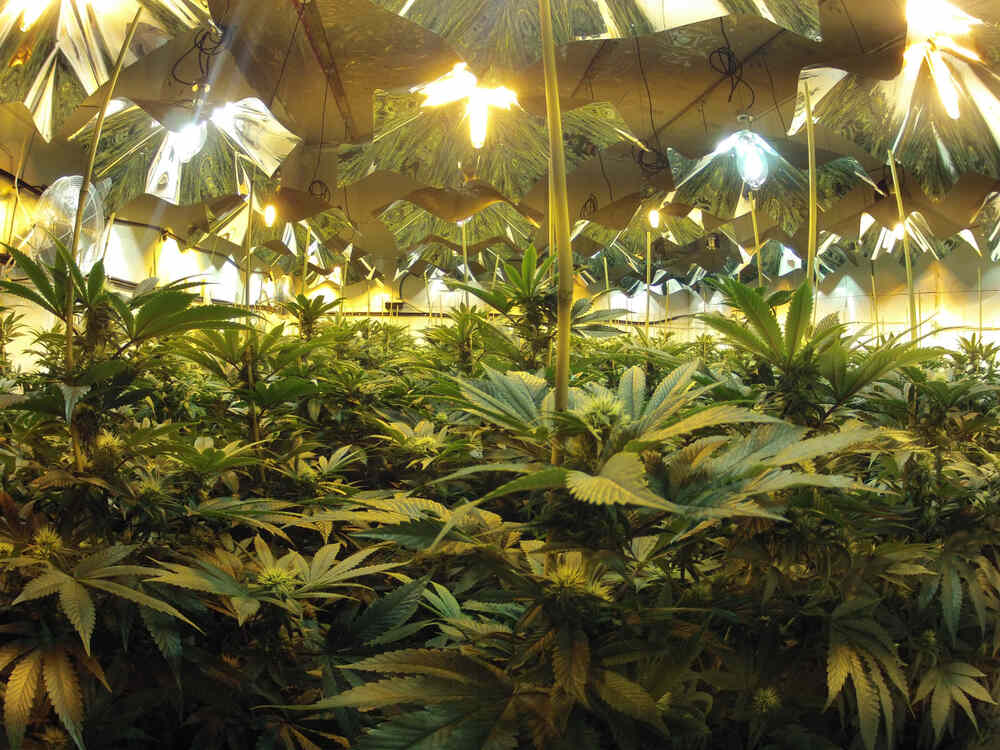
HID lights are a powerhouse when it comes to cannabis cultivation. They’ve been around for years and are known for producing high yields, but they come with their quirks.
Overview of HID Grow Lights
HID lights are bright, powerful, and can cover larger grow areas. They work by sending an electric current through a gas-filled tube, which produces intense light—kind of like street lamps. But they do run hot and can rack up your energy bill.
Types of HID Lights: Metal Halide (MH) vs. High-Pressure Sodium (HPS)
HID lights come in two main flavors: Metal Halide (MH) and High-Pressure Sodium (HPS). MH bulbs give off blue light, ideal for the vegetative phase, while HPS bulbs emit red/orange light, which is perfect for flowering. Some growers even switch between the two for the best results.
Advantages and Disadvantages of HID Lights
Advantages:
- High light output
- Great for larger grow spaces
- Boosts yields
Disadvantages:
- Runs hot, requires ventilation
- Not energy-efficient
- Higher upfront cost
How to Use HID Lights Effectively for Different Growth Stages
For the vegetative stage, use MH bulbs to promote strong, leafy growth. Once your plants are ready to flower, switch to HPS bulbs to encourage bud production. Make sure to keep these lights at the proper distance to avoid burning your plants.
Light Emitting Diode (LED) Grow Lights
LED lights have exploded in popularity thanks to their efficiency and versatility. They’re excellent indoor cannabis grow lights because they run cool, save on energy costs, and can be customized for each growth stage.
What Are LED Grow Lights?
LED grow lights use diodes to emit light and can be tailored to specific light spectrums. They’re more efficient than other types of lights and last longer, though they can be pricey upfront.
Full-Spectrum LED Lights and Their Benefits
Full-spectrum LEDs mimic the full range of sunlight, from blue to red. This means you can use the same light from seedling to harvest, making things simple and stress-free. They also don’t produce much heat, so you won’t have to worry about frying your plants.
Comparing LED Lights to HID and Fluorescent Lights
LEDs are more energy-efficient than both HIDs and fluorescent lights. While HIDs may give you slightly bigger yields, LEDs save you money in the long run and are easier to manage because of their lower heat output.
Best Practices for Using LED Lights in Cannabis Cultivation
To get the most out of your LED lights, make sure to keep them at the right distance—too close and you risk light burn, too far and your plants won’t get enough light. Many LED setups come with dimming options, so you can tweak the intensity as your plants grow.
Plasma Grow Lights
Plasma grow lights are like the dark horse of grow lighting—high-tech, but not as commonly used. They’re a newer option and not as mainstream as LEDs or HIDs yet.
What Are Plasma Grow Lights?
Plasma lights produce light through electromagnetic fields, creating a broad spectrum similar to natural sunlight. They’re efficient, have a long lifespan, and emit little heat, making them a solid option for certain setups.
Plasma Lights vs. LED and HID Grow Lights
Plasma lights offer a more natural light spectrum than HID or even some LED lights, but they come with a hefty price tag. While plasma lights can cover all growth stages, their cost and availability make them less popular among smaller growers.
Pros and Cons of Plasma Lighting
Pros:
- Full light spectrum
- Energy-efficient
- Long lifespan
Cons:
- Expensive
- Hard to find
- Not as well-tested as LEDs or HIDs
When to Use Plasma Grow Lights in Cannabis Growing
Plasma lights are best suited for growers who have some experience and a bit of extra cash to spend. If you’re serious about quality and have the budget, plasma lights can give your grow a natural sunlight boost.
Ceramic Metal Halide (CMH) Grow Lights
Ceramic Metal Halide (CMH) lights are a hybrid of sorts, blending features of both HID and LED lights to create a versatile and efficient option for cannabis growers.
What Are CMH Grow Lights?
CMH lights use ceramic tubes to produce a broad spectrum of light. They’re similar to HID lights but are more efficient and produce less heat, making them a solid choice for both beginner and advanced growers.
How CMH Grow Lights Work
CMH lights give off a wide spectrum of light, which helps with both vegetative growth and flowering. They’re more efficient than traditional HIDs but still pack the same punch when it comes to light output.
Advantages and Disadvantages of CMH Lights
Advantages:
- Full-spectrum light
- Efficient compared to HID
- Lower heat output
Disadvantages:
- Still runs hotter than LEDs
- Can be more expensive upfront
Comparing CMH Lights to HID and LED Options
CMH lights are more efficient than traditional HIDs and give you a better spectrum of light. While they don’t match LEDs in terms of energy savings, they do offer a solid middle ground between HID and LED systems.
Comparison of Cannabis Grow Lights
Choosing the right light depends on your grow space, budget, and goals. Here’s a quick breakdown:
Cost of Different Grow Lights: Initial Investment vs. Long-Term Savings
- Fluorescent: Cheap to buy, but not super efficient.
- HID: Higher upfront cost, but great for large grows.
- LED: Expensive initially, but saves money over time.
Energy Efficiency of Various Light Types
LEDs win when it comes to energy savings, followed by CMH. HIDs and fluorescents are less efficient, especially for large-scale grows.
Light Spectrum and How It Affects Growth Stages (Vegetative and Flowering)
Blue light promotes growth in the vegetative stage, while red light encourages flowering. Full-spectrum LEDs and plasma lights offer the best of both worlds, but you can also switch between MH and HPS bulbs with HID systems.
Best Grow Lights for Small-Scale vs. Large-Scale Cannabis Operations
For small grows, LEDs or fluorescents are your best bet. Larger operations might benefit from the power of HID or CMH systems, especially if you need to cover more ground.
Common Mistakes When Using Grow Lights
It’s easy to make mistakes with grow lights, especially if you’re just starting out. Avoid these common errors to keep your plants happy and healthy.
Incorrect Light Distance from Plants
Placing your lights too close can burn your plants, while lights too far away won’t give them enough energy. Always check your light’s recommended distance for each stage of growth.
Using the Wrong Type of Light for Each Growth Stage
Make sure to use the right light spectrum at the right time. Vegetative plants need more blue light, while flowering plants crave red.
Overheating or Underheating Your Grow Space
Some lights, like HID, produce a lot of heat, so make sure your space is properly ventilated. On the flip side, LEDs and fluorescents run cooler, but you’ll still need to monitor temps to avoid cold stress.
Neglecting to Adjust Light Schedules
Cannabis plants need different amounts of light at each stage. Keep your lights on for 18-24 hours during vegetative growth and switch to 12 hours on/12 hours off during flowering.
FAQs
What type of grow light is best for beginner cannabis growers?
LEDs are best for beginners due to their energy efficiency, low heat, and ease of use across all growth stages.
How much electricity do grow lights use?
The electricity used depends on the type of light and wattage. LEDs are the most efficient, while HIDs consume more power.
How many hours of light does a cannabis plant need each day?
During the vegetative stage, cannabis needs 18-24 hours of light. During flowering, reduce to 12 hours on and 12 hours off.
Can I switch between different grow lights during the growth cycle?
Yes, you can switch from MH (for vegetative) to HPS (for flowering) or use full-spectrum LEDs for both stages.
How far should LED grow lights be from cannabis plants?
Keep LEDs around 12-24 inches above the canopy, adjusting based on light intensity and growth stage.
Choosing the right grow light for your cannabis garden isn’t a one-size-fits-all decision. It depends on your grow space, budget, and personal goals. Whether you’re using LEDs, HIDs, or even plasma lights, each option has its strengths and weaknesses. The key is to match the light to your grow room and plants’ needs. Once you do, you’ll be on your way to a successful harvest with happy, healthy plants. Happy growing!

I recently tried thc gummies , and I’m really impressed with the quality. The effects were serene, calming, and scrupulously what I was hoping for. The variety of options also allowed me to find something flawless in the direction of both relaxing evenings and productive days. Indubitably second after anyone seeking wonderful results!