The Best Fluffy Pancakes recipe you will fall in love with. Full of tips and tricks to help you make the best pancakes.
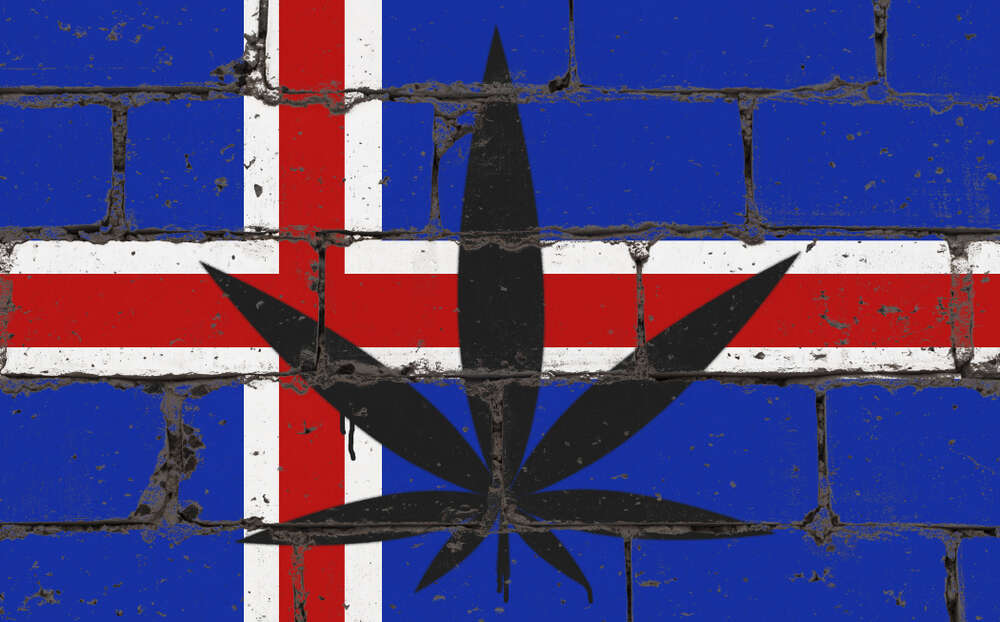
Is Weed Legal in Iceland?

If you are planning a trip to Iceland, considering a move there, or you are simply curious about how cannabis laws work in one of Europe’s most unique countries, you are not alone. I regularly get asked about Iceland because it has a progressive image, strong social systems, and a reputation for personal freedom. That leads many people to assume cannabis laws must be relaxed. The reality is very different. Iceland has some of the strictest drug laws in Europe, and misunderstanding them can land you in serious trouble. In this guide, I will walk you through exactly how cannabis is treated under Icelandic law, how enforcement works in practice, and what you should realistically expect as a user, patient, or traveler.
Current Legal Status of Cannabis in Iceland
Cannabis is illegal in Iceland. This applies to recreational use, possession, cultivation, and sale. Icelandic law treats cannabis as a controlled narcotic rather than a soft drug, and that classification shapes everything from policing to sentencing. When I explain this to beginners, I always stress that Iceland does not operate on the same logic as places like the Netherlands or parts of the United States.
Recreational cannabis laws and prohibitions
Recreational cannabis is fully illegal in Iceland. There is no legal allowance for personal use, no tolerated possession limit, and no grey-area consumption model. If you are caught using cannabis recreationally, you are breaking the law. This also means that sharing a joint with a friend is treated the same as possession. From a legal standpoint, recreational cannabis simply does not exist as an accepted activity in Iceland.
Cannabis classification under Icelandic law
Cannabis is classified as a narcotic under Iceland’s drug legislation. This places it in the same legal category as substances considered addictive and harmful. While I may personally view cannabis differently as a grower and breeder, the law does not distinguish between THC-rich flower, hash, or concentrates. This also means CBD products with measurable THC fall under scrutiny, while also making enforcement strict and binary rather than nuanced.
Penalties for possession, cultivation, and distribution
Penalties depend on quantity and intent, but they escalate quickly. Small amounts for personal use often result in fines, while larger amounts can lead to suspended or custodial sentences. Cultivation is taken seriously even at a small scale, as it is treated as production. Distribution or trafficking carries the harshest penalties and can result in prison time. In short, Iceland does not look kindly on cannabis at any stage of the supply chain.
Medical Cannabis in Iceland
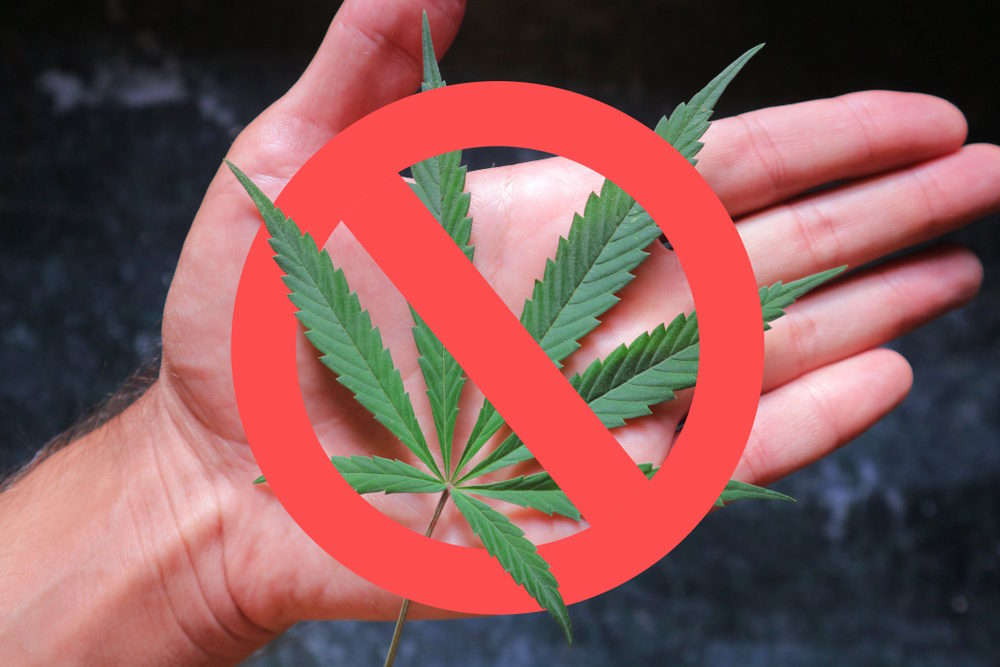
Medical cannabis is technically legal in Iceland, but access is extremely limited. This is not a patient-friendly system like you may find in Germany or some U.S. states. I always tell people that medical legality here exists more on paper than in daily reality.
Is medical marijuana legal — and what qualifies?
Medical cannabis is legal only under strict conditions and for specific diagnoses. Doctors can prescribe cannabis-based medicines when conventional treatments fail, but approval is rare. Whole cannabis flower is generally not prescribed, and medical marijuana as understood in dispensary-based systems does not exist. This system prioritizes pharmaceutical formulations rather than plant material.
How prescriptions work and which products are permitted
Prescriptions are issued by specialists and approved on a case-by-case basis. Products are usually standardized cannabis medicines such as Sativex, which is a mouth spray containing THC and CBD. Oils and flower are not commonly prescribed. From a grower’s perspective, this is a highly medicalized and tightly controlled approach with no room for patient choice.
Importing and bringing medical cannabis into Iceland
You cannot freely bring your own medical cannabis into Iceland, even with a prescription from another country. Importing cannabis requires prior authorization, documentation, and approval from Icelandic authorities. Customs officers enforce this strictly. I strongly advise against assuming your medical card or prescription will protect you at the border, because it usually will not.
Decriminalisation vs Legalisation — What’s the Difference?
This is where confusion often arises. Decriminalisation and legalisation are not the same thing, and Iceland currently has neither. Understanding the difference helps you interpret political debates and media headlines correctly.
What decriminalisation could mean for users
Decriminalisation would mean cannabis remains illegal, but penalties for possession might be reduced to fines rather than criminal charges. This approach focuses on public health instead of punishment. If Iceland were to decriminalise, you would still not be allowed to buy or grow cannabis legally, but enforcement would be less severe for personal use.
Current decriminalisation proposals and debates
Iceland has seen several proposals aimed at reforming drug policy, including decriminalisation. These proposals focus on harm reduction and reducing stigma rather than legal markets. However, none have passed into law so far. Political support exists, but it remains divided, and progress is slow.
Comparison with other Nordic and European countries
Compared to countries like Portugal, Iceland is far more restrictive. Even other Nordic nations have adopted more lenient approaches in practice. Iceland stands out for its firm stance, particularly in enforcement. This also means you should not assume European norms apply here, because Iceland plays by its own rules.
Cannabis Enforcement and Practical Realities on the Ground
Understanding the law is one thing, but understanding how it is enforced is another. This is where experience matters, and where many travelers get caught out.
Police practices and likelihood of fines or arrest
Police do enforce cannabis laws, especially in urban areas like Reykjavik. Small possession often results in fines, but repeated offenses or aggravating factors can escalate quickly. Police do not ignore cannabis use, and they do not operate informal tolerance policies. If you are caught, you should expect consequences.
Cannabis use among locals and cultural attitudes
Cannabis use exists, but it is discreet. Icelandic culture does not openly normalize cannabis in the way some other countries do. While younger generations may be more open, public acceptance remains limited. I would describe the attitude as quietly present but socially restrained.
Illegal market, availability, and risks for travellers
Cannabis is available through illegal channels, but quality and safety are unpredictable. Prices are high, and legal risks are real. As a traveler, you are especially vulnerable because you lack local knowledge and legal protection. From my perspective, the risk-to-reward ratio is simply not favorable.
Travelling to Iceland With Cannabis
This is where mistakes become expensive. Iceland’s borders are strict, and customs enforcement is not relaxed.
What happens if you bring weed into Iceland?
If you bring cannabis into Iceland without authorization, you are committing a serious offense. This applies to flower, concentrates, edibles, and vape cartridges. Detection can lead to fines, prosecution, or even imprisonment. Customs screening is thorough, and excuses do not go far.
Rules for travellers with medical cannabis prescriptions
Foreign medical prescriptions are not automatically recognized. You must apply in advance for permission to import cannabis-based medication. Without this approval, your prescription offers no protection. I always recommend checking official channels well before you travel.
Tips to avoid legal trouble at customs and in public
If you want to stay safe, the simplest rule is not to bring cannabis at all. Do not assume discretion will protect you, and do not rely on advice from forums or social media. Icelandic law is clear, and enforcement is consistent.
Future of Cannabis Law Reform in Iceland
While current laws are strict, the future is not static. Change is discussed, but timelines remain uncertain.
Current political initiatives and reform proposals
Several political groups support reform, particularly around decriminalisation and medical access. These initiatives focus on health-based approaches rather than commercial legalization. However, none have achieved legislative success yet.
Advocacy groups and public opinion trends
Advocacy groups are active and vocal, especially around harm reduction. Public opinion is slowly shifting, particularly among younger Icelanders. That said, cultural caution still influences policymaking.
Potential timelines and what to watch for next
Realistically, change in Iceland is gradual. Decriminalisation is more likely than full legalisation in the near future. If you are watching for reform, focus on parliamentary debates and public health policy changes rather than commercial cannabis headlines.
Conclusion
Weed is illegal in Iceland, and that fact shapes everything from personal use to medical access and travel risks. While there are ongoing discussions about reform, current laws remain strict and actively enforced. As someone who has spent years working with cannabis, I always encourage you to respect local laws, especially in countries where enforcement is clear and penalties escalate quickly. Iceland is an incredible place to visit, but cannabis is not part of its legal landscape. If you understand that going in, you avoid unnecessary problems and enjoy the country for what it truly offers.